Every business faces a unique mix of security risks. These can range from unauthorised access and theft to anti-social behaviour or emergency incidents. A clear plan helps you match protection to the actual threats your premises, people and assets face each day.
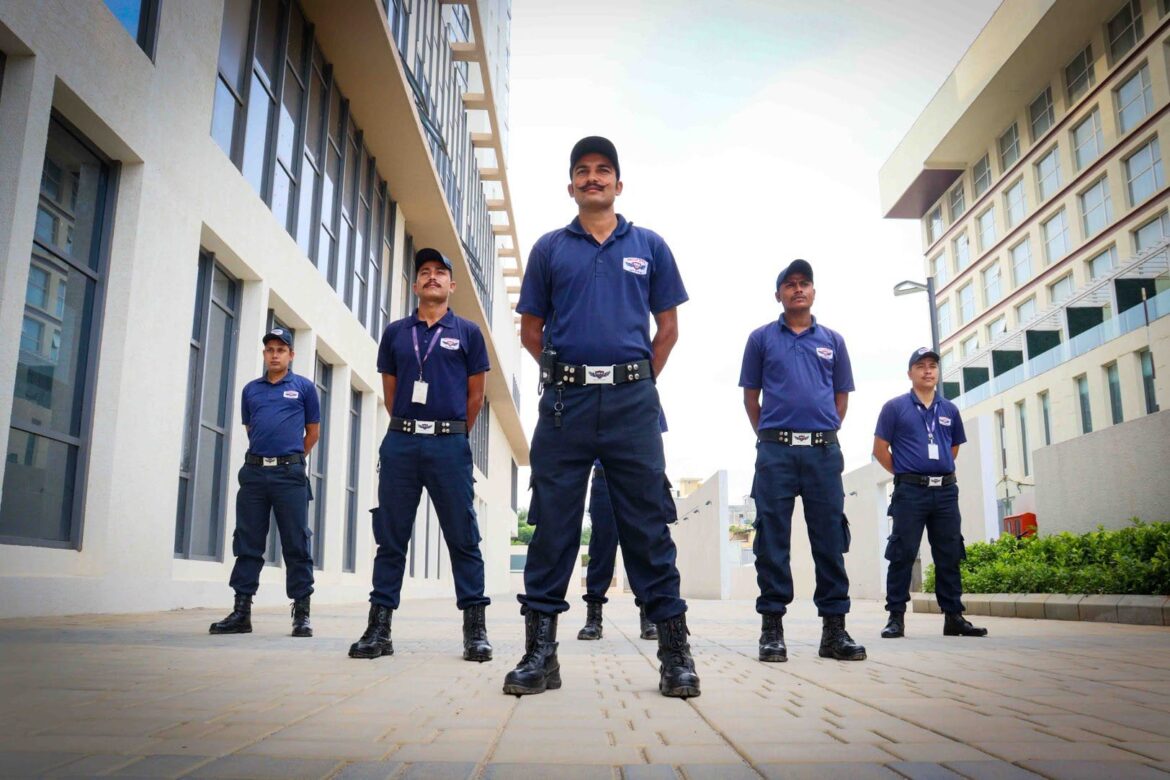
When developing that plan, many organisations consider manned guarding security services as a core element. Trained officers on site provide a visible presence, real-time decision-making and immediate response that remote systems alone cannot match.
Understanding Your Specific Risks
Start by looking carefully at how your business operates. Consider the layout of the site, the volume of visitors or deliveries, opening hours and any high-value areas. Note patterns of past incidents or near-misses. Think about external factors such as the local environment, nearby public spaces or seasonal changes that might increase vulnerability.
Different sectors carry different pressures. A busy retail site may need strong access control and crowd awareness. A warehouse or industrial unit might prioritise perimeter checks and delivery supervision. Offices often focus on reception points and restricted zones. Schools and care-related settings require a careful balance of visibility and a calm, approachable manner.
Document these risks in plain terms. This assessment forms the foundation of any effective guarding plan and prevents you from applying a one-size-fits-all approach.
Key Elements of an Effective Manned Guarding Plan
A solid plan goes beyond simply placing an officer on site. It defines clear duties, reporting lines and how the human presence works alongside existing measures such as CCTV, alarms or access systems.
Typical responsibilities for on-site officers include monitoring entry points, checking identification, conducting regular internal and external patrols, responding to alarms, supervising contractors or deliveries, securing restricted areas and recording daily activity. These tasks create both deterrence and structured oversight.
Shift patterns matter. Some sites need continuous cover around the clock. Others require presence only during peak hours, overnight or at weekends. Match the hours to the times when risks are highest rather than assuming full-time cover is always necessary.
Integration with other security tools strengthens the overall arrangement. Officers can respond directly to CCTV alerts or alarm activations, while digital reporting systems keep managers informed of incidents and routine activity without delay.
Practical Steps to Build Your Plan
Follow a structured process to keep the plan focused and workable:
- Complete a thorough site and risk assessment, involving both security and operational staff.
- Define the specific outcomes you need, such as controlled access, rapid incident response or visitor management.
- Decide on the number of officers, their locations and shift times based on the assessment.
- Set clear instructions for daily duties, escalation procedures and communication with your team.
- Establish how officers will work with existing technology and any other security arrangements.
- Plan for regular reviews so the arrangement can adapt if risks or operations change.
This step-by-step method reduces the chance of gaps or unnecessary cover.
Factors to Weigh When Choosing Coverage
Several practical considerations influence the final shape of the plan. Look at the physical layout and whether single or multiple officers are needed to cover key areas effectively. Consider the level of interaction required with staff, visitors or the public. Professional officers should fit the tone of the environment while remaining alert and approachable.
Training and professional standards are important. Officers should be properly vetted and hold the relevant licences. Additional awareness training, such as recognising potential threats or handling emergency procedures, adds value in higher-risk settings. Clear reporting and supervision from the provider help maintain consistency and accountability.
Cost is always a factor, yet the cheapest option rarely delivers the most reliable protection. Focus on the quality of personnel, the clarity of the service agreement and the ability to adjust cover if circumstances change. Temporary or emergency deployment options can also prove useful for short-term needs or unexpected increases in risk.
Common Pitfalls and When Extra Guidance Helps
One frequent issue is underestimating how much human presence contributes to prevention. Relying solely on cameras or alarms leaves a gap in immediate intervention. Another is failing to update the plan when the business grows, relocates or changes its operating hours.
Communication between the business and the security team sometimes breaks down. Without shared understanding of priorities and reporting expectations, officers may not focus on the areas that matter most.
If your site involves complex access rules, high footfall, sensitive information or elevated threat levels, professional advice can help refine the assessment and design of the plan. An experienced provider can identify practical adjustments that improve both security and day-to-day operations without creating unnecessary disruption.
To Conclude
Building a manned guarding plan around genuine business risks produces clearer priorities, better use of resources and stronger day-to-day protection. The process begins with honest assessment, continues through careful definition of duties and coverage, and relies on consistent standards and ongoing review.
When you take the time to match manned guarding security services to the specific challenges of your site, you create a practical layer of security that supports both safety and smooth operations. Review the arrangement regularly, keep communication open and adjust as needs evolve.