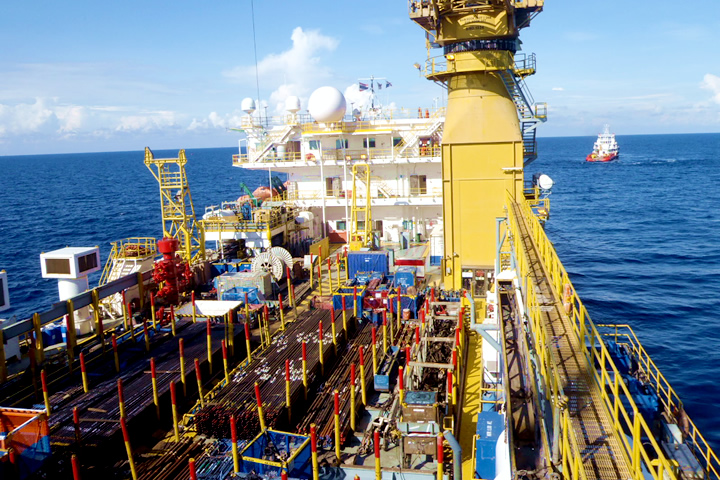
Marine projects require a combination of technical knowledge, careful preparation, skilled people, and effective coordination. Whether the work involves vessels, marine equipment, repairs, modifications, or other technical requirements, each stage needs to be handled with attention to detail.
For vessel owners and operators, having the right marine partner can make project management easier. Experienced professionals can help understand the scope of work, coordinate technical activities, and keep different parts of a project moving in an organized manner.
Understanding Marine Project Requirements
Every marine project has its own objectives and working conditions. The size of the vessel, type of equipment, location, operating schedule, and nature of the work can all influence how a project should be planned.
Before work begins, it is important to understand what needs to be completed and what resources are required. A clear assessment can help identify technical requirements and establish a practical sequence for the work.
Good preparation also helps different teams understand their responsibilities. This can reduce confusion and make communication easier throughout the project.
The Role of an Experienced Marine Partner
Marine businesses often need support from professionals who understand the practical demands of vessel operations. An Arabian marine company can provide industry knowledge and technical support for businesses managing marine projects and vessel related requirements.
Experience is particularly valuable when projects involve several technical activities at the same time. A knowledgeable team can help coordinate requirements while keeping the operational needs of the vessel in mind.
The right partner should focus on understanding the client’s actual requirements rather than applying the same solution to every project.
What Marine Contracting Involves
Marine projects can include a wide range of technical and practical activities. Depending on the nature of the work, these may involve vessel repairs, modifications, equipment installation, maintenance activities, fabrication, or other project requirements.
Professional marine contracting requires careful coordination between technical teams, contractors, vessel personnel, and project management. Timing is important because marine work often needs to be completed within specific operational schedules.
Effective coordination can help ensure that work is carried out in an organized manner and that important technical requirements receive appropriate attention.
Planning Before Work Begins
A well planned project is easier to manage. Before beginning marine work, businesses should consider the scope, available resources, equipment requirements, expected schedule, and working environment.
Planning can also help identify potential challenges before they affect the project. When possible concerns are understood early, teams have more time to prepare suitable responses.
A clear project plan does not remove every challenge, but it provides a stronger foundation for managing unexpected situations.
Technical Coordination Matters
Marine projects often involve several areas of expertise. Engineers, technicians, vessel crews, contractors, and management teams may all contribute to the successful completion of the work.
Without effective communication, even technically capable teams can face delays or misunderstandings. Clear coordination helps ensure that everyone understands what needs to happen and when it needs to happen.
Regular communication can also make it easier to respond when project requirements change.
Vessel Repairs and Maintenance
Vessels require regular maintenance to remain operational and dependable. Repairs may range from routine work to more involved technical projects.
The scope of a repair should be understood before work begins. A proper assessment can help identify the condition of equipment and determine what work may be necessary.
Experienced marine professionals can support the planning and execution of repair activities while considering the operational requirements of the vessel.
Supporting Vessel Modifications
Marine vessels may need modifications when operational needs change. Equipment, systems, layout, or other vessel components may require adjustment to meet new requirements.
Modification work needs careful planning because the proposed changes must fit within the existing vessel environment. Technical considerations should be reviewed before implementation.
An experienced Arabian marine company can assist businesses with understanding project requirements and coordinating the different aspects of marine work.
Choosing a Reliable Marine Contractor
Selecting the right contractor is an important decision for any marine project. Businesses should look beyond basic service descriptions and consider the provider’s experience, technical capability, communication, and approach to project management.
Useful factors to consider include:
- Relevant marine industry experience
- Technical understanding
- Skilled personnel
- Clear communication
- Ability to coordinate multiple activities
- Attention to safety and quality requirements
- Understanding of vessel operations
- Ability to work within project schedules
These factors can help businesses identify a provider that is suited to their particular requirements.
Managing Time and Operational Requirements
Marine projects often operate around vessel schedules. Delays can affect planned operations, which makes time management an important part of project coordination.
Good preparation can help teams understand the expected timeline and identify activities that need to be completed first. Communication between the contractor and vessel team is especially important when working within a limited operational window.
A practical approach to scheduling can help reduce unnecessary disruption.
Quality and Attention to Detail
Marine work requires careful attention because equipment and vessels operate in demanding environments. Small details can influence the performance and reliability of a completed project.
Quality should therefore be considered throughout the work rather than only at the final stage. Materials, installation, workmanship, inspection, and documentation may all require appropriate attention depending on the project.
Professional teams understand that completing the work is only one part of the responsibility. The quality of the finished result also matters.
Building Long Term Marine Relationships
Marine businesses often have ongoing technical requirements rather than one time projects. Developing a relationship with a dependable provider can make future work easier to organize.
A service provider that understands a client’s vessels, operational priorities, and previous projects may be able to communicate more effectively when new requirements arise.
Long term cooperation can also provide greater consistency in planning, technical support, and project coordination.
A Practical Approach to Marine Contracting
Successful marine contracting depends on more than technical skills alone. Projects also require communication, organization, preparation, and an understanding of the working environment.
When these elements come together, marine businesses can approach repairs, modifications, maintenance, and other technical projects with greater clarity.
The most effective approach is one that considers the vessel, project objectives, operational schedule, and technical requirements as connected parts of the same process.
Conclusion
Marine projects demand careful planning and dependable execution. From repairs and maintenance to modifications and other technical work, every stage benefits from experienced professionals who understand the demands of vessel operations.
Choosing an experienced marine partner can help businesses coordinate project activities, manage technical requirements, and maintain clearer communication throughout the work.
With proper preparation, skilled execution, and reliable coordination, marine projects can be managed more efficiently while keeping the practical needs of vessel owners and operators at the center of the process.