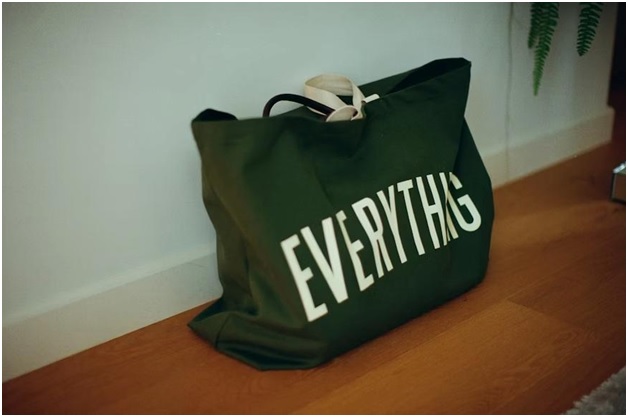
Packaging plays a major role in how customers remember a brand. A well-designed printed bag adds professionalism, improves presentation, and strengthens brand identity long after the purchase is made. However, getting the final product right depends heavily on how clearly you communicate with your supplier. Whether you are ordering retail bags, promotional packaging, or takeaway bags, a detailed brief can save time, reduce mistakes, and improve the final result.
When working with the printed bag shop, businesses should approach the process with a clear understanding of their branding, bag specifications, and order expectations. A strong supplier brief helps ensure the finished bags match both practical needs and visual standards.
Start With Clear Artwork Specifications
Artwork is often the most important part of any printed bag order. Even small design issues can affect print quality, colour accuracy, and branding consistency.
Before sending artwork to your supplier, make sure the files are professionally prepared and easy to reproduce. Most bag suppliers prefer vector-based formats because they maintain quality during printing.
Key artwork details to include:
- Logo files in high resolution
- Preferred brand colours using Pantone references
- Font styles and text placement
- Front, back, and side printing requirements
- Bleed areas and safe margins
- Preferred finish, such as matte or gloss
It is also important to explain how the artwork should appear on different bag sizes. A design that looks balanced on a large gift bag may appear crowded on a smaller retail bag.
Keeping artwork simple often produces cleaner results. Overly complex graphics or excessive text may reduce print clarity, especially on textured paper bags.
Explain the Purpose of the Bags
Suppliers can recommend better materials and handle types when they understand how the bags will be used. A bag designed for lightweight clothing requires different construction than one intended for food packaging or heavy retail products.
Provide information such as:
- The products being carried
- Average product weight
- Indoor or outdoor use
- Luxury or budget packaging goals
- Single-use or reusable expectations
This helps suppliers recommend suitable paper thickness, reinforcement options, and printing methods.
For example, businesses looking for premium presentation may choose thicker paper with rope handles, while high-volume takeaway businesses may prioritise durability and cost-efficiency.
Choose the Right Handle Type
Handle selection affects both functionality and appearance. Different handle styles create different customer impressions, so this decision should align with your brand image and practical requirements.
Common printed bag handle options include:
Twisted Paper Handles
These are popular for retail and takeaway packaging because they are durable, recyclable, and cost-effective.
Rope Handles
Often used for luxury packaging, rope handles provide a premium appearance and stronger carrying support.
Flat Tape Handles
These handles are lightweight and practical for food packaging and promotional events.
Die-Cut Handles
Built directly into the bag structure, die-cut handles create a clean and modern look.
In the middle of the ordering process, many businesses realise that handle choice directly impacts customer experience. Suppliers such as the printed bag shop often offer guidance based on bag weight, intended use, and branding goals.
Be Accurate About Quantities
Ordering the correct quantity is essential for controlling packaging costs and avoiding storage issues. Many businesses either underestimate demand or order far more than necessary.
When briefing your supplier, think about:
- Seasonal demand fluctuations
- Product launch timelines
- Storage capacity
- Reordering lead times
- Budget limitations
Large print runs often reduce the cost per unit, but only if the bags will actually be used within a reasonable period. Smaller businesses may benefit from moderate quantities that allow flexibility for future branding updates.
It is also useful to ask suppliers about minimum order quantities and repeat order discounts.
Ask About Printing Methods
Different printing methods produce different visual results and pricing structures. Understanding these options can help you choose the most suitable solution for your packaging goals.
Common printing methods include:
- Flexographic printing for large-volume simple designs
- Digital printing for smaller runs and detailed graphics
- Screen printing for bold colour applications
- Foil printing for premium finishes
If colour consistency is important, request print proofs before full production begins. This step helps avoid unexpected differences between digital designs and final printed bags.
Confirm Production Timelines Early
Packaging delays can disrupt product launches, retail schedules, and promotional campaigns. Always discuss timelines before placing the order.
Important timing details include:
- Artwork approval deadlines
- Sampling stages
- Printing lead times
- Shipping schedules
- Peak seasonal production periods
Clear communication reduces misunderstandings and allows enough time for revisions if needed.
Conclusion
Ordering printed bags becomes much easier when suppliers receive a detailed and organised brief. Clear artwork files, accurate quantities, suitable handle choices, and realistic timelines all contribute to a smoother production process and better packaging results.
Businesses that take time to explain their expectations clearly are more likely to receive bags that align with their branding, functionality, and budget goals. Whether you need luxury retail packaging or durable everyday carrier bags, working closely with the printed bag shop can help ensure your packaging supports both presentation and customer experience effectively.